
Hard water stains are a familiar challenge for many Pennsylvania homeowners, especially in areas that rely on private well water or older plumbing infrastructure. These stubborn marks do not appear because a home is poorly maintained—they show up because minerals like calcium and magnesium are naturally present in the water supply.
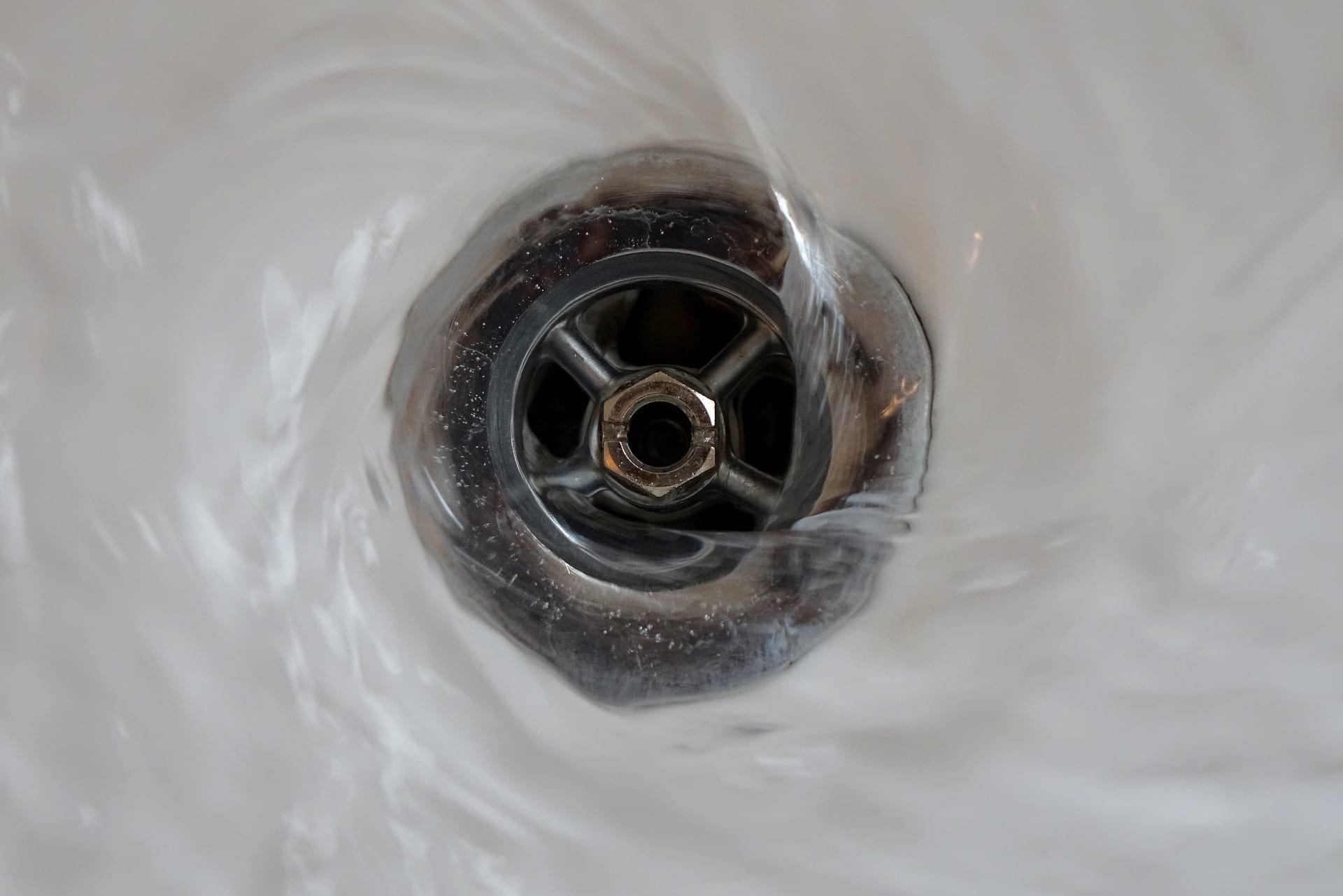
When water dries on a surface, those minerals stay behind, creating cloudy spots on faucets, rusty streaks in toilets, clogged showerheads, and even dull or stiff laundry. If you are struggling with persistent mineral crust, learning how to remove hard water stains effectively can save your fixtures and your sanity.
Before diving into the step-by-step cleaning methods, there is one question many homeowners ask:
Do Professional Services Really Remove Hard Water Stains in Homes?
Yes. Professional water treatment services can eliminate the minerals that cause hard water stains in the first place. Household cleaning methods can show you how to remove hard water stains temporarily, but the spots return as long as hard water continues flowing through your plumbing.
A certified technician can test your water, determine hardness levels, and recommend the right long-term solution—typically a whole-home conditioner or water softener—so stains stop forming on faucets, toilets, showerheads, and clothing.
What Causes Hard Water Stains?
Hard water stains form when water containing high levels of calcium and magnesium evaporates, leaving those heavy minerals behind. Over time, this creates a hardened, often chalky residue that clings to surfaces like porcelain, metal, and fabric.
In bathrooms, these minerals mix with soap residue to form an even tougher deposit, which is why soap scum becomes highly stubborn in homes with hard water. The higher the mineral content, the faster these stains develop and the more effort it takes to clear them away. According to research on regional water chemistry published by the Penn State Extension, the limestone bedrock prevalent across much of Pennsylvania significantly increases groundwater mineralization, making proactive home maintenance essential for protecting plumbing fixtures.
Step-by-Step: How to Remove Hard Water Stains From Specific Areas
How to Remove Hard Water Stains From Faucets
Faucets are especially prone to crusty white buildup because water drips and dries around the base and spout. This method dissolves deposits and restores shine without scratching the metal.
- What you need: White vinegar, paper towels or cloth strips, a toothbrush, and regular toothpaste.
- Step 1: Soak paper towels in vinegar and wrap them securely around the faucet base and spout.
- Step 2: Let the towels sit for 30–45 minutes so the vinegar can break down the mineral deposits.
- Step 3: Remove the towels and scrub the crevices with a toothbrush.
- Step 4: Apply toothpaste to the faucet and gently polish in circular motions.
- Step 5: Rinse and dry thoroughly to prevent new water spots.
How to Remove Hard Water Stains on Toilets
Toilets often show the toughest stains because water sits and evaporates slowly, leaving a ring or rust-colored discoloration behind. Using borax helps break down deposits more effectively inside the bowl.
- What you need: Borax, white vinegar, and a toilet brush.
- Step 1: Sprinkle ½ cup of borax into the toilet bowl.
- Step 2: Pour 1 cup of vinegar around the inside of the bowl and let it fizz.
- Step 3: Allow the mixture to sit for 20–30 minutes.
- Step 4: Scrub with a toilet brush until the stains lift, then flush.
- Pro Tip: If stains are very stubborn, let the borax and vinegar solution sit for an hour before scrubbing.
How to Remove Hard Water Stains From Showerheads
Clogged or uneven water flow is often caused by internal mineral buildup. A citric acid soak is one of the most effective ways to clear showerheads without removing them from the wall.
- What you need: Citric acid powder, warm water, a plastic bag, and a rubber band.
- Step 1: Mix 2 tablespoons of citric acid with 1 cup of warm water.
- Step 2: Pour the mixture into a plastic bag.
- Step 3: Place the bag over the showerhead so it is fully submerged.
- Step 4: Secure with a rubber band and let it soak overnight.
- Step 5: Remove the bag and run hot water for 1–2 minutes to flush out deposits.
- Step 6: If needed, scrub the exterior with a soft brush.
How to Remove Hard Water Stains From Clothes
Hard water can make clothes feel stiff, look dull, or develop a grayish discoloration. Using washing soda helps dissolve the minerals that attach to fabric fibers.
- What you need: Washing soda (sodium carbonate) and white vinegar.
- Step 1: Add ½ cup of washing soda directly into the washing machine drum.
- Step 2: Add laundry and detergent as usual.
- Step 3: During the rinse cycle, add 1 cup of vinegar to soften fabrics and break down remaining mineral residue.
- Step 4: Wash on warm or hot water for best results.
How to Prevent Hard Water Stains From Returning
Scrubbing with vinegar or borax teaches you how to remove hard water stains temporarily, but prevention is what keeps your home looking clean and your fixtures lasting longer.
Drying faucets and sinks after use, wiping up puddles quickly, and occasionally deep cleaning high-use areas can slow buildup. However, the only lasting solution is to address the mineral content directly in your water supply. A whole-home water softener or conditioner stops hard water at the source, protecting your plumbing, fixtures, appliances, and laundry.
Contact the Water Conditioning Experts
At American Clear Water, we go beyond showing you how to remove hard water stains—we stop them before they start. We provide professional water testing and customized treatment systems that eliminate hard water at the source, helping you protect your home, your plumbing, and your fixtures for the long term.

If you are ready for cleaner water and a home free from persistent scaling, contact us today for expert guidance and solutions tailored to your household.