
How to Know If You Have Hard Water: Signs, Tests, and Solutions
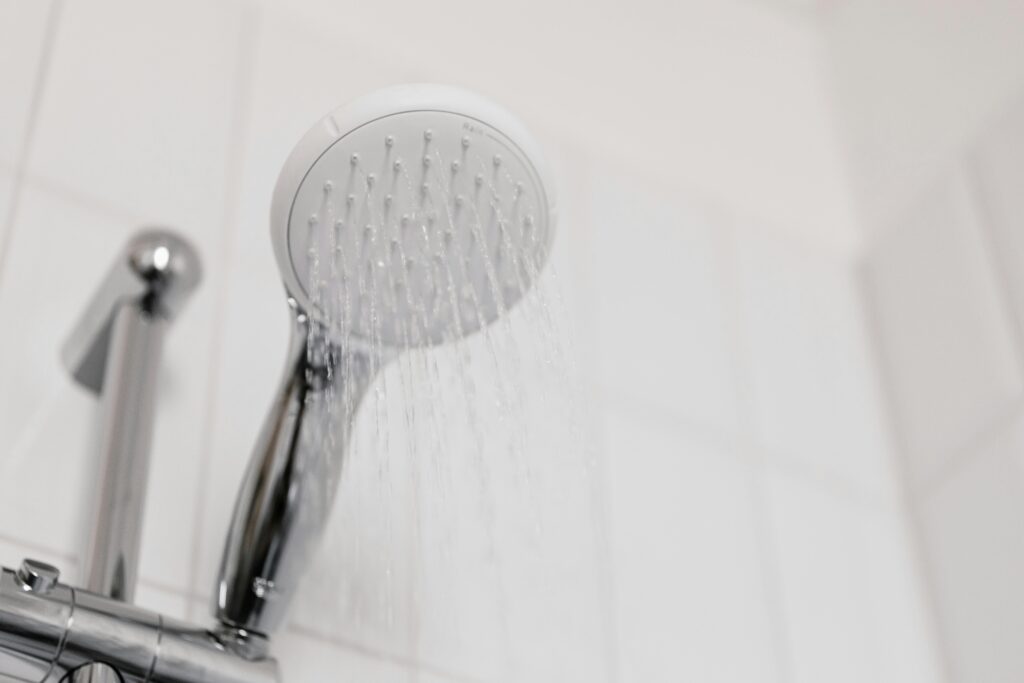
Hard water is a common issue in many households across the United States, affecting everything from your washing machine to your skin and hair. But how to know if you have hard water? This guide will walk you through the telltale signs of hard water, how to test your water supply, and what you can do to address water problems caused by excess calcium and magnesium.
What Is Hard Water?
Hard water contains high levels of dissolved minerals, primarily calcium and magnesium. These minerals accumulate naturally as water passes through mineral-rich soil and limestone rock, often concentrating heavily in groundwater sources.
According to the United States Geological Survey (USGS), water hardness is measured by the concentration of calcium carbonate in milligrams per liter ($mg/L$):
- Soft: 0–60 $mg/L$
- Moderately hard: 61–120 $mg/L$
- Hard: 121–180 $mg/L$
- Very hard: 180+ $mg/L$
Approximately 85% of U.S. households deal with hard water, which can lead to issues like mineral buildup, reduced water pressure, and even higher utility bills. Let’s explore how to identify if your home is affected.
7 Common Signs of Hard Water in Your Home
If you’re wondering how to know if you have hard water without equipment, look for these common environmental indicators around your house:
1. Soap Scum and Sticky Residue
One of the easiest ways to spot hard water is simply by washing your hands. Hard water reacts with soap molecules to form a sticky residue called soap scum, leaving a film on your skin instead of a clean rinse. You may notice this same chalky residue building up in your bathtub, shower tiles, or on dishes.
2. Dry Skin and Dull Hair
Hard water strips natural, protective oils from your body, leading to dry skin, persistent itchiness, or even worsening chronic conditions like eczema. Your hair may feel filmy, look dull, or become brittle due to mineral deposits building up on your scalp and strands.
3. Cloudy Spots on Dishes and Glassware
After running your dishwasher, do your glasses and silverware come out with cloudy spots or a milky, filmy residue? This is a classic indicator of hard water, as mineral deposits remain bonded to the glass after the water evaporates.
4. Limescale Buildup on Fixtures
Check your faucets, showerheads, and drains for a white, crusty, or chalky buildup. This residue, called limescale, forms when hard water evaporates and leaves calcium behind. Over time, this buildup can clog showerhead nozzles and reduce your water flow.
5. Stiff, Faded Laundry
Hard water prevents laundry detergent from mixing properly, leaving clothes feeling rough and stiff. Mineral deposits can also cause colors to fade, whites to turn gray, or fabrics to wear out faster, as the minerals break down fibers over time.
6. Reduced Appliance Efficiency
Your water heater, washing machine, and dishwasher cannot perform at peak condition if you have hard water. Mineral buildup clogs internal heating elements, reducing efficiency and shortening appliance lifespans. You might also notice higher energy bills as your water heater works harder to push heat through scale buildup.
7. Low Water Pressure
If your faucets or showerheads have suffered a sudden or gradual drop in water flow, mineral scaling could be the blame. Mineral deposits accumulate inside plumbing lines, narrowing the passage and restricting water pressure.
Quick Diagnostic: Household Hardness Indicators
| Symptom Location | Visual or Physical Sign | Root Cause | Priority Level |
| Bathroom Fixtures | White, crusty buildup on faucet tips | Limescale accumulation | Moderate — Clogs fixtures |
| Kitchen / Dishwasher | Milky, cloudy film on wine glasses | Evaporated calcium deposits | Low — Cosmetic issue |
| Shower / Personal Care | Soap won’t lather; skin feels tight | Soap reacting with minerals | Moderate — Causes skin irritation |
| Utility Room / Pipes | Gradual drop in total water pressure | Scale narrowing internal pipes | High — Restricts home flow |
The Tests: How to Know If You Have Hard Water
If you suspect hard water based on these everyday signs, you can easily confirm it using one of these three diagnostic testing methods:
The Soap Suds Test (DIY)
Fill a clear plastic bottle one-third full with tap water, add a few drops of pure liquid soap (like Castile soap), and shake it vigorously.
- If it has high hardness: The water will produce very few bubbles, look cloudy, and create a layer of scum.
- If it is soft water: The water will immediately create a thick, frothy lather with clear water sitting at the bottom.
At-Home Water Test Kit
For a precise numerical measurement, use an at-home water test kit, available at local home improvement stores. These kits include chemical test strips that change color based on the mineral content in your water. Compare the strip to the provided color chart to determine your hardness, measured in grains per gallon (gpg) or parts per million (ppm). Anything above 3 gpg or 50 ppm is considered hard.
Professional Water Testing
Contact a local water treatment specialist to run an advanced on-site analysis. This method provides comprehensive insights into your water’s mineral content, iron levels, total dissolved solids (TDS), and other potential contaminants, allowing you to choose the exact equipment needed for your water profile.
Practical Solutions for Hard Water
Once you’ve confirmed hard water, you can address it through short-term maintenance fixes or a long-term filtration system.
Short-Term Maintenance Fixes
- Vinegar Descaling: Use white vinegar to dissolve mineral buildup on faucets and showerheads. Soak affected fixtures in a bag of vinegar overnight to dissolve scale.
- Showerhead Filters: Install a carbon or KDF showerhead filter to reduce mineral exposure, helping protect your skin and hair from drying out.
- Sulfate-Free Products: Switch to sulfate-free shampoos and specialized moisturizers to combat the drying effects of calcium on your skin.
Long-Term Treatment Solutions
The only way to permanently eliminate hard water issues is to install a whole-house water softener. These systems remove calcium and magnesium through ion exchange, replacing them with small amounts of sodium or potassium ions.
Investing in a dedicated softening system provides several home advantages:
- Restores clear, steady water flow and system pressure.
- Greatly extends the operational lifespan of expensive water-using appliances.
- Eliminates heavy soap scum, reducing bathroom cleaning time.
- Improves the quality of water for laundry, bathing, and cooking.
Is Hard Water Harmful?
Hard water is generally safe to drink and provides essential minerals like calcium and magnesium. According to household sanitation and safety reviews published by the Centers for Disease Control and Prevention (CDC), drinking water containing these standard minerals poses no threat to human health, though the practical issues it causes inside your home can still disrupt daily life. These structural issues include plumbing corrosion, higher energy costs, and personal discomfort from dry skin or dull hair.
Take Action Against Hard Water
Hard water doesn’t have to be a permanent problem. By recognizing the signs, testing your water supply, and exploring professional treatment options, you can immediately improve your home’s water quality and protect your plumbing investment.
Ready to tackle hard water for good? Contact American Clear Water today for a free water test and expert advice on our advanced water softening systems tailored to your home’s exact needs!